Empathy: The Quiet Power Behind Real Leadership
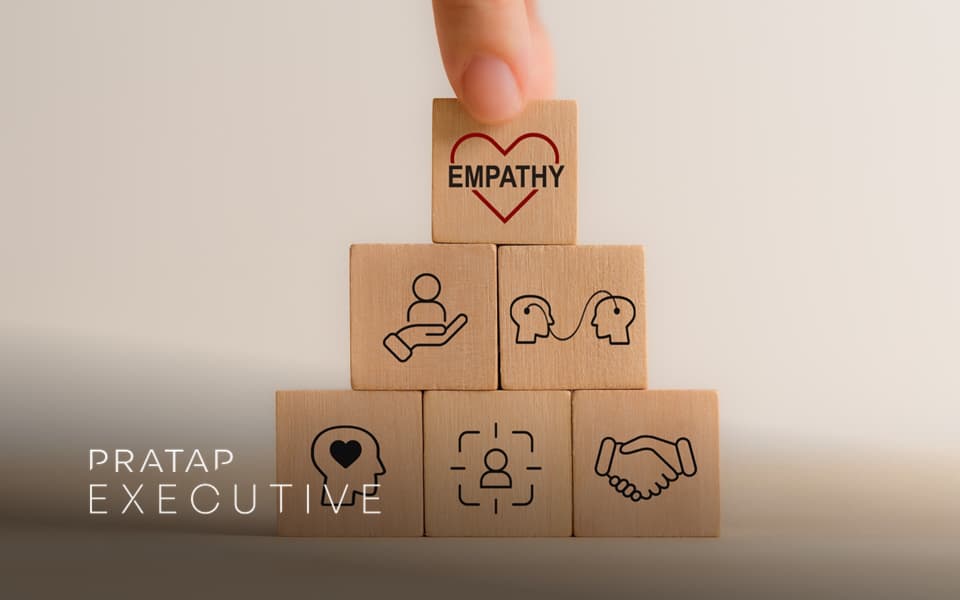
Modern leadership goes beyond strategy and performance - it is about humanity. Empathy has become the quiet force that builds trust, connection, and genuine performance. In a world where technology can imitate feeling but not experience it, empathy is what keeps leadership truly human.
Empathy: The Quiet Power Behind Real Leadership
Modern leadership goes beyond strategy and performance - it is about humanity. Empathy has become the quiet force that builds trust, connection, and genuine performance. In a world where technology can imitate feeling but not experience it, empathy is what keeps leadership truly human.
Rethinking Modern Leadership

Over the past few months, we have been exploring what modern leadership really looks like and how the competencies that drive growth have evolved. Our Growth Leadership: Six Modern Competencies that Power Growth Boards framework highlights the qualities we see most often in today’s most effective leaders: Resilience, Curiosity, Empathy, Authenticity, Courage and Purpose.
Each one plays a different role, but together they create the kind of leadership that enables businesses to grow with strength, adaptability and heart. Of all six, the one I’ve been reflecting on most recently and perhaps the one that feels most human is Empathy.
The Quiet Power of Empathy
Empathy has quietly become one of the most powerful and most underestimated leadership competencies.
In boardrooms, we often talk about performance, strategy and innovation. But empathy is what holds everything together. It’s the difference between being a manager people work for, and a leader people trust.
Why Empathy Matters Now
In a world where hybrid working, growing mental health awareness and constant change have reshaped what it means to lead, empathy is no longer a “nice to have.” It’s what allows leaders to connect on a human level, to listen before acting, and to create the kind of trust that drives genuine performance.E
At the same time, technology, even AI, is starting to imitate human connection. It can mimic tone, it can generate empathy-shaped words, but it can’t truly feel. Empathy is still what makes leadership human.
A Lesson from the Front Line
When I was leading a cancer charity, empathy wasn’t a leadership choice, it was a necessity. Every day, my team supported people through some of the hardest moments of their lives. However professional or experienced they were, that work took an emotional toll.
I learned that empathy doesn’t mean protecting people from pain or lowering expectations. It means recognising their humanity; noticing when someone needs a pause, when they need to be heard, or when they simply need space to breathe. It’s about creating an environment where people can keep doing meaningful work without being overwhelmed by it.
Empathy in Every Environment
That lesson applies far beyond the healthcare world. Every team, in every industry, carries its own pressures, and every individual brings their own story to work. Whether someone is managing commercial targets, project deadlines or personal challenges, empathy helps leaders understand what drives and supports them. It’s not about being soft; it’s about seeing the whole person, knowing what motivates them, and creating the right environment for them to perform at their best.
How Empathy Shapes Great Leadership
When leaders show empathy, they don’t just offer comfort, they inspire. People feel seen, valued and trusted. That’s when motivation, creativity and accountability thrive. Empathy builds the psychological safety that allows teams to take risks, share ideas and give their best. It creates the conditions where people want to perform, not just feel they have to.
Recognising Empathy in Others
My experience has changed how I think about leadership and how I recognise it in others. Today, in my work with senior leaders and boards, I see empathy as the quiet force that underpins every other modern competency: authenticity, courage, purpose, resilience and curiosity.
It’s also one of the hardest qualities to spot on a CV, but one of the easiest to feel in conversation. You notice it in how someone talks about their team rather than themselves; in the questions they ask about culture, people and purpose; and in how they describe the moments that tested them most. The best leaders balance empathy with clarity; they listen deeply, act decisively and create an environment where others can do their best work. When building a team, these are the individuals who quietly strengthen the whole system around them.
Leading with Head and Heart
Empathy allows leaders to connect deeply, act wisely and lead with both head and heart.
Empathy might not appear on a balance sheet, but it shapes everything a successful business is built on - trust, collaboration and belonging.
A Small Challenge for Leaders
If you lead a team, take a moment this week to ask one more question, listen a little longer, or notice who might need support. Those small moments of empathy are what build strong, high-performing cultures.