Building Value: Nicola Merritt on Entrepreneurship, AI and the Future of Advisory
Having successfully built and scaled Cortus, Nicola Merritt brings first-hand entrepreneurial experience to advising founders, shareholders and investors. In this interview, she discusses the lessons she has learnt about creating value, building high-performing teams, navigating today's transactions market and embracing the opportunities presented by AI.
Building Value: Nicola Merritt on Entrepreneurship, AI and the Future of Advisory
Having successfully built and scaled Cortus, Nicola Merritt brings first-hand entrepreneurial experience to advising founders, shareholders and investors. In this interview, she discusses the lessons she has learnt about creating value, building high-performing teams, navigating today's transactions market and embracing the opportunities presented by AI.
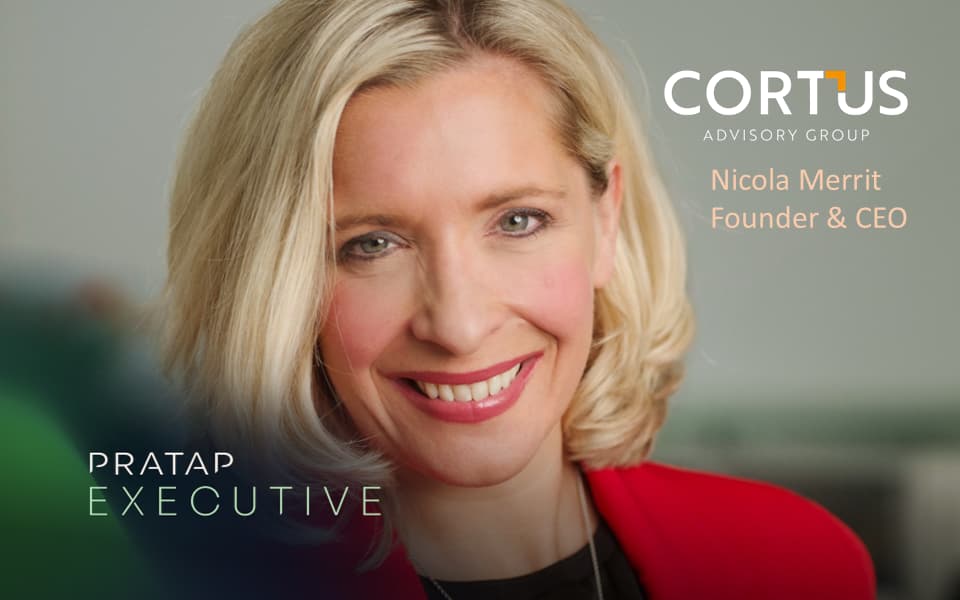
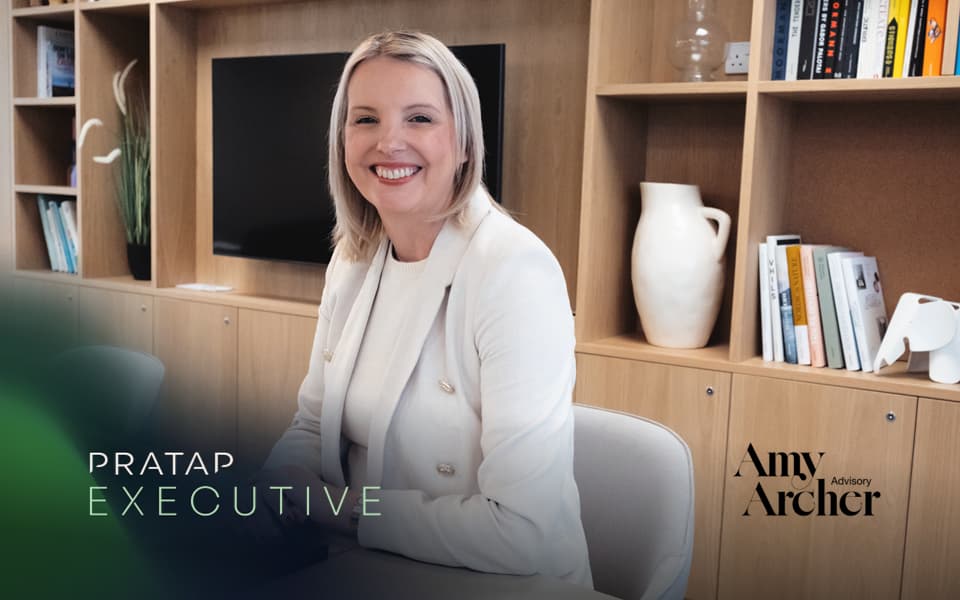
Nicola Merritt has combined two powerful perspectives: she is both a highly successful dealmaker and a founder who has built and scaled her own advisory business.
After a career with KPMG Transaction Services and Dow Schofield Watts, Nicola launched Cortus Advisory Group in 2020. It is hard to believe the business is not yet six years old, given the strength of the brand, the quality of the team and the awards they have collected along the way.
That growth is a testament to Nicola’s leadership. She has built Cortus around high-impact financial advice, delivered with integrity, empathy and a clear understanding of what entrepreneurs and shareholders are trying to achieve. Her experience advising on acquisitions, disposals and fundraisings gives her a sharp view of how businesses create value, protect value and prepare for transactions.
We have really enjoyed seeing Cortus grow and have been pleased to partner with Nicola and the team on some of our events. She has her finger on the pulse of growth, value creation, data, AI and transactions across SMEs in the North and Midlands, so it is a pleasure to share her views.
You have had an exceptional few years since launching Cortus. How much has being an entrepreneur yourself helped you in advising other entrepreneurs, founders and shareholders?
It has made a huge difference. Advising founders is one thing, building a business yourself is quite another. Launching and scaling Cortus has given me a deeper understanding of the risks, pressures and opportunities that entrepreneurs face every day.
What I've learned is that value creation is rarely about one big decision. It's about hundreds of decisions made consistently over time. That perspective helps me connect with founders on both a commercial and personal level because transactions are rarely just about numbers – they're about people, ambition, culture and legacy.
You have built Cortus at a remarkable pace, but growth in advisory is always about people as much as clients and transactions. What has been the most important element of your people strategy, and what have you done differently in building a high-performing team?
The most important element has been culture. As we've grown, we've been fiercely protective of the values that made Cortus successful in the first place.
We recruit for attitude, curiosity and collaboration as much as technical ability. I believe high-performing teams are built when people understand what success looks like, have ownership of outcomes and feel trusted to make a difference.
When you are working with SME owners, what are the biggest lessons you have learned about how businesses create value, protect value and ultimately maximise value at a transaction point?
The biggest lesson is that value is built long before a transaction starts. The strongest businesses create value through clear leadership, strong financial performance, quality people and a scalable operating model.
Protecting value comes from understanding the numbers that matter, having visibility over performance and building a business that isn't dependent on one individual. The companies that achieve the best outcomes are typically those that can clearly demonstrate both historical performance and future growth opportunities.
Data becomes increasingly more important in every deal conversation. How much difference does good data make when a business is going through due diligence, fundraising or preparing for sale?
Good data creates confidence, and confidence creates value. In almost every transaction, buyers are trying to answer the question: can they trust the information they're being given?
Businesses with strong reporting and connected data are able to answer questions faster, demonstrate performance more clearly and build credibility with investors. As we often say, numbers create clarity, visibility creates control and ultimately insight creates value. The quality of the data can significantly influence both the efficiency of a process and the valuation outcome.
How would you describe the market at the moment? Are shareholders, private equity houses and funders approaching transactions differently from how they were 12 or 24 months ago?
The market remains active, but there is definitely a greater focus on quality and evidence. Investors are spending more time understanding performance drivers, scalability, the impact of AI and future growth potential rather than simply looking at historical results.
There is also much greater scrutiny around data quality, operational resilience and management information. Capital is still available for good businesses, but investors increasingly want confidence in both the growth story and the ability of management to execute it. That means preparation has never been more important.
You are one of the more advanced adopters of AI that I speak to, and every conversation with you on the subject is fascinating. How are you using AI personally, and where do you think it can make the biggest difference for business owners, leaders and advisers?
I see AI as one of the most significant productivity tools we've ever had. Personally, I use it to accelerate research, test ideas, challenge my thinking and help structure content and communication.
For businesses, I think the biggest opportunity lies in turning data into insight more quickly. Most organisations don't suffer from a lack of data; they suffer from disconnected data. AI can help leaders connect information, identify opportunities faster and make better decisions. The real advantage won't come from replacing people, but from combining AI with human judgement, critical thinking, creativity and experience.