Beyond the Numbers: Finance in Manufacturing
Manufacturing and engineering remain the backbone of Yorkshire and the East Midlands, driving regional growth and forming the largest sector in our network. To uncover where the real opportunities lie, we spoke with three industry leaders whose careers have been shaped by the sector’s resilience, innovation and financial leadership.
Beyond the Numbers: Finance in Manufacturing
Manufacturing and engineering remain the backbone of Yorkshire and the East Midlands, driving regional growth and forming the largest sector in our network. To uncover where the real opportunities lie, we spoke with three industry leaders whose careers have been shaped by the sector’s resilience, innovation and financial leadership.
Manufacturing and engineering have always been at the heart of the economy in Yorkshire and the East Midlands.
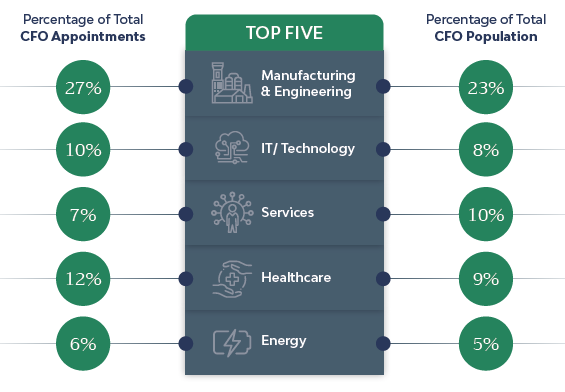
Together, they represent the largest single sector in our network - accounting for 23% of our FD and CFO population and 27% of hires each year.
The challenges facing the sector are well known - the impact of tariffs, energy prices and Brexit have all tested resilience and long-term planning. But the opportunities are less often explored. Behind the headlines lies a story of innovation, investment and leadership that continues to define the sector’s strength and its importance to the regional economy.
We wanted to look beyond the obstacles and shine a light on where the opportunities really are - and the crucial role that financial leadership continues to play in unlocking them.
To explore this, we spoke with three leaders who have built their careers around manufacturing and industry:
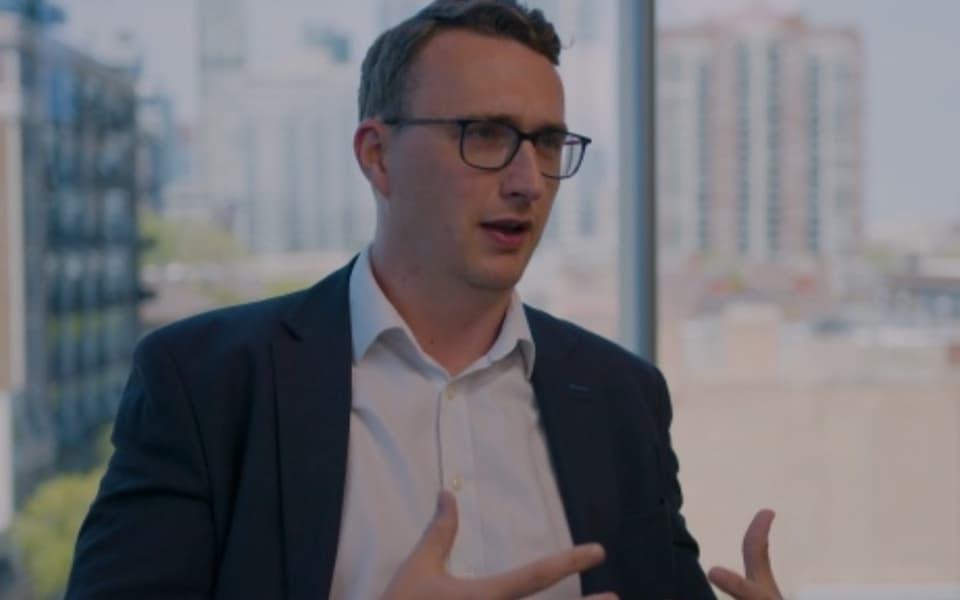
- Jonathan Blythe – One of the leading manufacturing sector CFOs in our region with over 20 years’ experience across the sector.
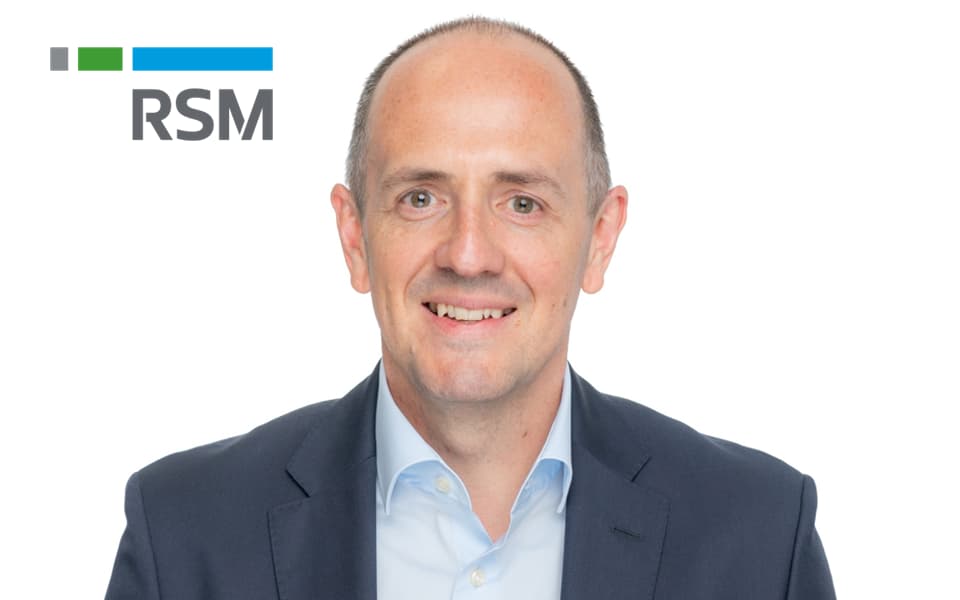
- Mike Thornton – Partner at RSM and Head of Industrials, advising a wide range of businesses across the UK.
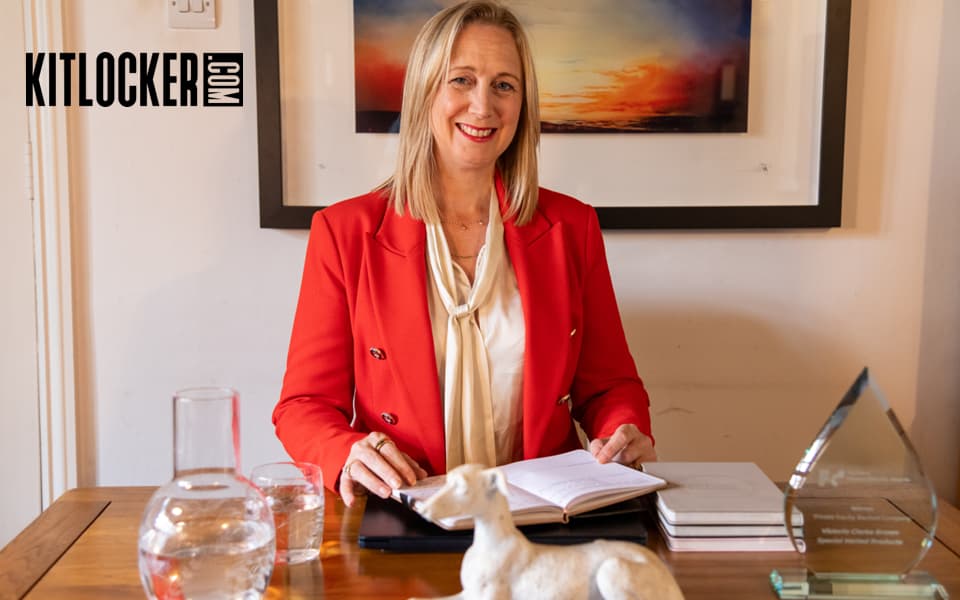
- Vickie Clarke Brown – CFO with over 25 years in manufacturing and Junior Warden of the Company of Cutlers in Hallamshire.
Together, they shared their perspectives on where the sector stands today - and where its next wave of growth could come from.
Where are the real strengths and opportunities for the UK manufacturing and engineering sector right now?
Mike Thornton
Manufacturing is still one of the UK’s biggest drivers of innovation, employing millions and leading on R&D. Right now, the real strengths are in advanced engineering and sectors like automotive and aerospace. We’re seeing businesses invest in automation and digital tech to boost productivity, and many are reshoring supply chains to reduce risk. Sustainability is another big opportunity- companies are embedding low-carbon processes to stay competitive and future-ready.
Vickie Clarke Brown
The greatest opportunity facing UK manufacturing and engineering right now lies in the shift toward Industry 5.0, and from where I sit as a finance director in South Yorkshire, its impact is already unmistakable. We’re moving beyond traditional automation into a space where advanced digital tools, (AI, data analytics, and intelligent automation) are becoming integral to how we run, maintain, and optimise our plants. What’s exciting is that this isn’t being driven solely by global giants; it’s happening right here at home.
Companies like Intelliam Plc are leading the charge, delivering technology that is genuinely transformational in terms of reliability, efficiency, and operational insight. Their solutions don’t just streamline production; they allow us to rethink how we deploy our people and assets, which is crucial given the persistent labour shortages across both engineering and manufacturing. With fewer skilled hands available, our future competitiveness depends on tools that enhance human capability, not replace it, tools that allow us to do more with the talent we have. Industry 5.0 offers exactly that balance: technology working alongside people to create smarter, more resilient, and ultimately more profitable operations.
How has financial leadership in manufacturing evolved over the past decade?
Jonathan Blythe
Financial leadership in manufacturing is no longer confined to balancing budgets and controlling costs - it has become the engine of transformation and growth. Today’s CFOs and finance leaders are expected to drive digital innovation, champion sustainability, and build resilience for the future, all while safeguarding operational excellence. With AI accelerating this shift, finance is evolving from a back‑office, process‑driven function into a strategic powerhouse - empowering leaders to influence decisions far beyond traditional boundaries and positioning them as indispensable partners in shaping the trajectory of the business.
Mike Thornton
Finance leaders have moved well beyond the traditional “numbers only” role. Today, CFOs and FDs are strategic partners, helping shape decisions on investment, transformation, and risk. They’re balancing technical rigour with commercial insight - thinking about digital, sustainability, and long-term resilience. It’s about being proactive, not just reporting, and making sure finance is at the heart of growth.
Vickie Clarke Brown
In manufacturing financial leadership has become deeply intertwined with supply chain strategy, inventory management, and the wider digital transformation agenda. This shift has been accelerated by technology: advanced analytics, AI, predictive modelling, and cloud-based systems have moved us from backward-looking reporting to real-time insight, freeing up finance teams from manual processes and enabling us to focus on value creation. At the same time, risk management and resilience have become core responsibilities as we navigate supply chain disruption, rate volatility, and geopolitical uncertainty. The role is also far more cross-functional than it once was, with FDs now influencing ERP implementations and supporting operational teams in business partnering roles. Commercially, we are expected not only to control costs but to identify growth levers, support innovation, shape pricing, and build strong cases for investment or acquisition. This has contributed to a broader cultural shift towards data-driven decision-making, continuous improvement, and purpose-led leadership. Ultimately, today’s FD must blend financial rigour with strategic vision, technological fluency, and the ability to collaborate across the whole organisation to drive sustainable and long-term value.
What positive trends or developments are you seeing that point to a stronger, more resilient future for the sector?
Jonathan Blythe
South Yorkshire’s manufacturing sector is no longer just surviving - it is redefining the future of UK industry. At the same time, digital technologies and AI are revolutionising operations, turning finance and manufacturing functions into strategic engines of decision making. Sustainability is also driving momentum, with pioneering work in hydrogen energy, carbon capture, and green manufacturing aligning
Yorkshire with net zero ambitions. Together, these forces - global partnerships, digital transformation, and green innovation - are positioning South Yorkshire not just as a regional success story, but as a resilient, future ready powerhouse shaping the trajectory of UK manufacturing.
Mike Thornton
There’s a lot to be optimistic about. Digital transformation is gathering pace - AI, data analytics, and smart manufacturing are becoming mainstream. Skills development is a top priority, which is great to see. Sustainability is now baked into strategy, from energy efficiency to low-carbon production. And confidence in domestic demand, plus signs that government policy is influencing investment, suggest a more stable outlook ahead.
Vickie Clarke Brown
I’m seeing a level of momentum in our regional industrial base that we haven’t enjoyed for some time. Growth across defence and aerospace continues to be particularly strong, and this is now being reinforced by a renewed commitment to developing local supply chains - something that is already beginning to strengthen the wider manufacturing ecosystem. What’s especially encouraging is the scale of capital investment being made by some of our largest and most strategically important organisations. Businesses like Forgemasters, Outokumpu, and Special Melted Products are investing heavily to future-proof the steel industry, signalling real confidence in both the market and the long-term role of South Yorkshire as a centre of advanced manufacturing. Added to this, the local councils and the South Yorkshire Mayoral Combined Authority have become much more business-friendly, creating an environment that supports growth rather than slows it.
At the same time, the nature of manufacturing itself is evolving. As technology becomes increasingly embedded in operations, companies across the region are upskilling their people and recruiting for roles that blend engineering, software, and data analytics, skills that are essential for the next generation of industry. We are fortunate to have world-class institutions like our universities and the AMRC on our doorstep, providing exceptional training and research capability that helps ensure the region’s workforce is ready for the future.
HOWEVER, we cannot ignore the uncompetitive energy prices and skills gap which could negatively impact on our future successes.
Looking ahead, what does the future hold for finance leaders in manufacturing?
Jonathan Blythe
Manufacturing faces a complex set of challenges, from rapid advances in digital technology to an increasingly volatile global environment. In this context, finance leaders must develop strong digital and AI fluency, alongside robust risk and resilience management skills. The past five years alone have brought unprecedented disruption - COVID‑19, soaring energy costs, supply chain crises, and shifting geopolitical dynamics - all underscoring the need for agility. For CFOs, this means mastering the delicate balance between safeguarding short‑term liquidity and driving long‑term growth, ensuring that finance is not just a stabilising force but a catalyst for transformation and resilience.
Mike Thornton
The next generation of CFOs will need to be agile and tech-savvy. Data analytics, ESG reporting, and digital finance will be core skills, alongside the ability to navigate complex tax and regulatory landscapes. Mindsets will shift toward innovation and adaptability - championing investment in technology, talent, and sustainability while managing risk in an unpredictable global market.
Vickie Clarke Brown
The skill set required of modern finance leaders is evolving at a faster pace than ever. As the natural custodians of organisational data, digital fluency has become essential. We are expected to understand advanced analytics, embrace new technologies, and use sophisticated risk and scenario planning to guide strategic decisions in an increasingly volatile environment.
Crucially, digital transformation can’t just sit within the finance office; it has to reach right across the factory floor, influencing operations, automation, and the way teams interact with information. This shift has fundamentally changed what is expected of financial leaders. We are no longer seen simply as the people who report the numbers, but as cross-functional partners who shape direction, influence operational decisions, and lead people through change.
That leadership component has grown significantly: building teams, developing capability, and creating a culture that is comfortable with data-driven decision-making. The move towards forward-looking, growth-orientated financial leadership has been building for years, but it is now fully here and with it comes a new expectation that we will be able to work confidently amid ambiguity. As transformation continues at pace across manufacturing, our role is not just to interpret the financials but to guide the organisation through change, balancing innovation with discipline and helping create the clarity required for sustainable growth.
The leadership angle
The manufacturing and engineering sector has always been a cornerstone of our work at Pratap Executive. Many of the region’s most successful privately owned and PE-backed businesses come from this space - organisations with deep heritage, technical excellence and a growing appetite for change.
We are seeing more finance leaders than ever taking on broader strategic roles in these companies - driving digital transformation, sustainability, and international expansion. Behind every resilient manufacturer is a finance leader balancing commercial focus with long-term vision.
The message from this discussion is clear - manufacturing and engineering remain full of opportunity for forward-looking finance leaders. The sector’s future will be built on innovation, investment and strong leadership.

Nik Pratap- Managing Partner
Click here to access our 2025/26 CFO Network Annual Report